In the heart of Bulgaria’s capital, Saint Sofia Church stands as a quiet testament to the city’s rich and complex history. Often overshadowed by the grand Alexander Nevsky Cathedral nearby, this unassuming red-brick basilica is, in fact, one of the oldest churches in Sofia, lending the city its very name. Walking through its doors reveals a structure that has withstood centuries of transformation, embodying the resilience of Sofia’s cultural and religious heritage.
A Church Steeped in History
The origins of Saint Sofia Church date back to the 4th century when an early Christian church was first constructed on the site of a Roman necropolis. The current structure, built in the 6th century during the reign of Byzantine Emperor Justinian I, is one of the best-preserved examples of early Christian architecture in the Balkans.
During the Ottoman period, the church was neglected and eventually repurposed as a mosque. Earthquakes in the 19th century caused significant damage, and the building was abandoned, falling into further disrepair. Following Bulgaria’s liberation, restoration efforts began to revive its significance, and today, Saint Sofia Church is once again a place of worship and a vital piece of the city’s heritage.
Descending into the Underground Necropolis
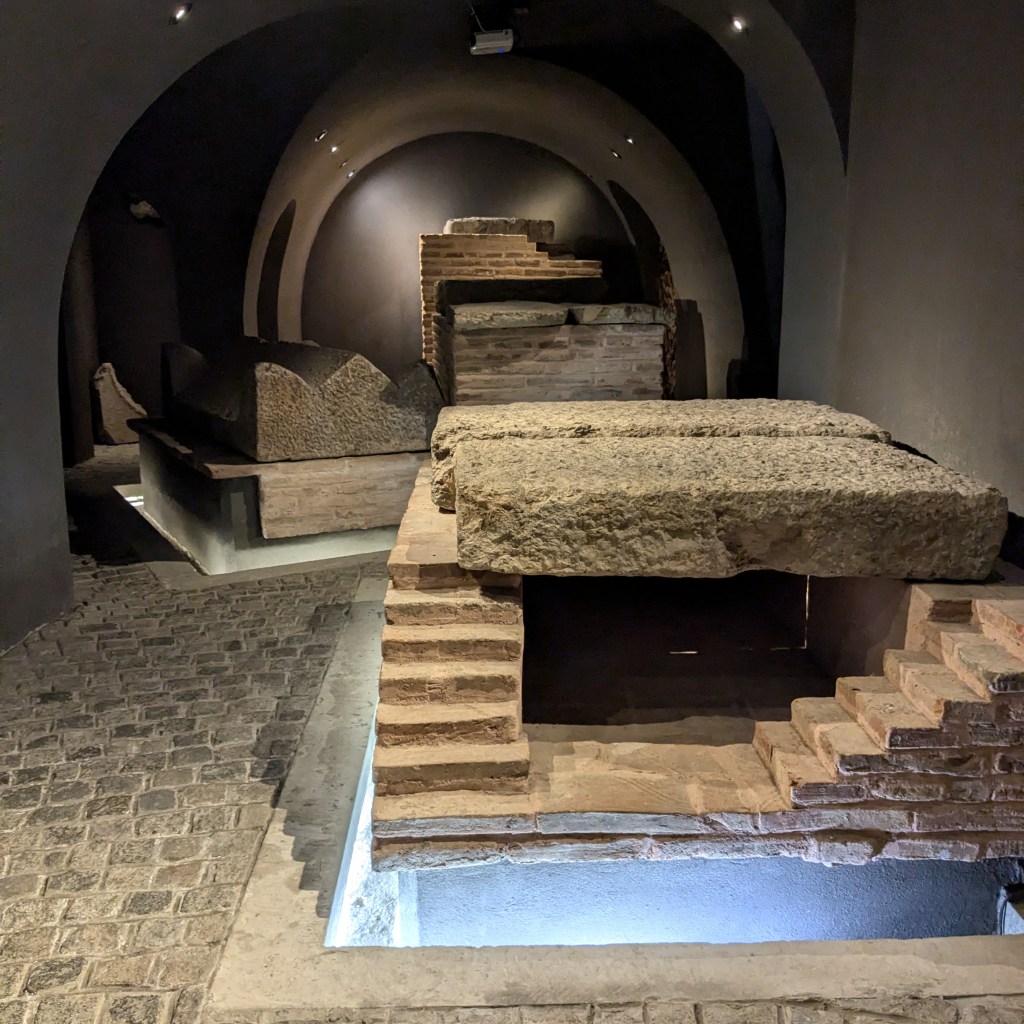
One of the most remarkable aspects of visiting Saint Sofia Church is the opportunity to descend beneath its floor into the subterranean archaeological site. As I stepped down the stone stairs from the main church into the underground space, I found myself winding through different levels of features and floors, representing the overlapping layers of the church’s phases. The preservation of the discrete archaeological layers has been masterfully executed, creating an atmospheric and deeply engaging experience.
Beneath the current church, visitors can explore the remains of earlier churches, Roman-era tombs, and intricate mosaics that once adorned these sacred spaces. The site contains over fifty tombs, some featuring elaborate frescoes and decorative elements, revealing the importance of this necropolis in the early Christian period.

The Mosaics and the Painted Tomb of Honorius
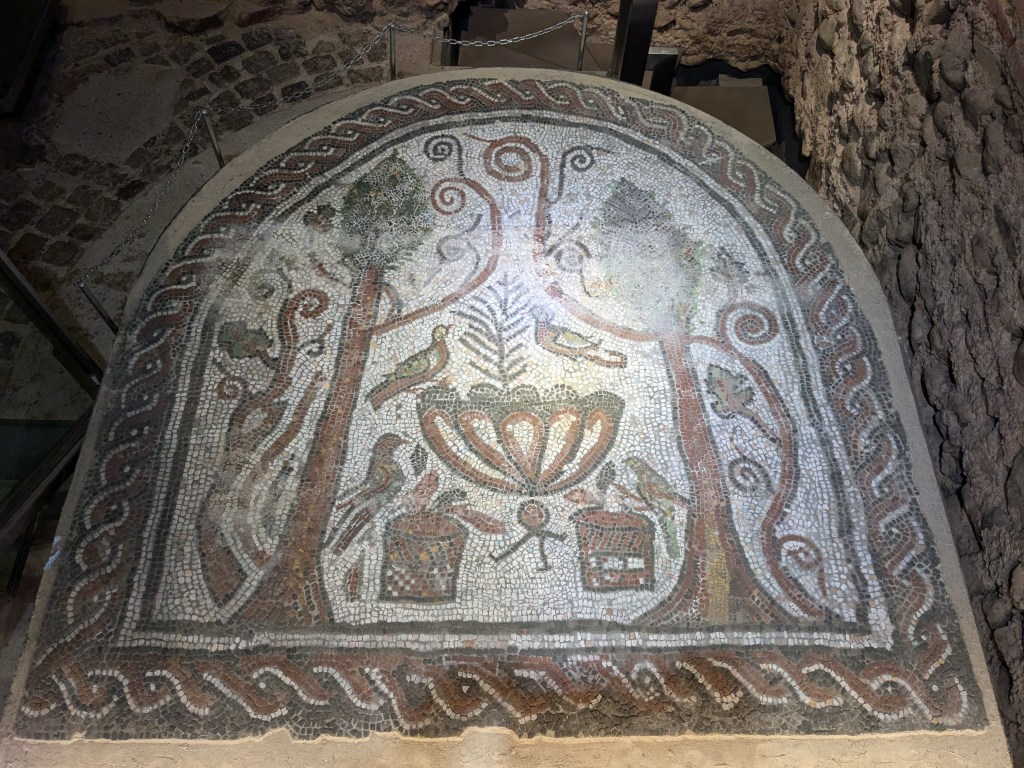
Among the most fascinating discoveries here are the remnants of beautifully preserved mosaics. These early Christian mosaics, with their geometric patterns and symbolic motifs, once decorated the floors of the older churches built on this site. Their craftsmanship speaks to the artistic and spiritual traditions of the time, offering a glimpse into the lives of those who worshipped here centuries ago.
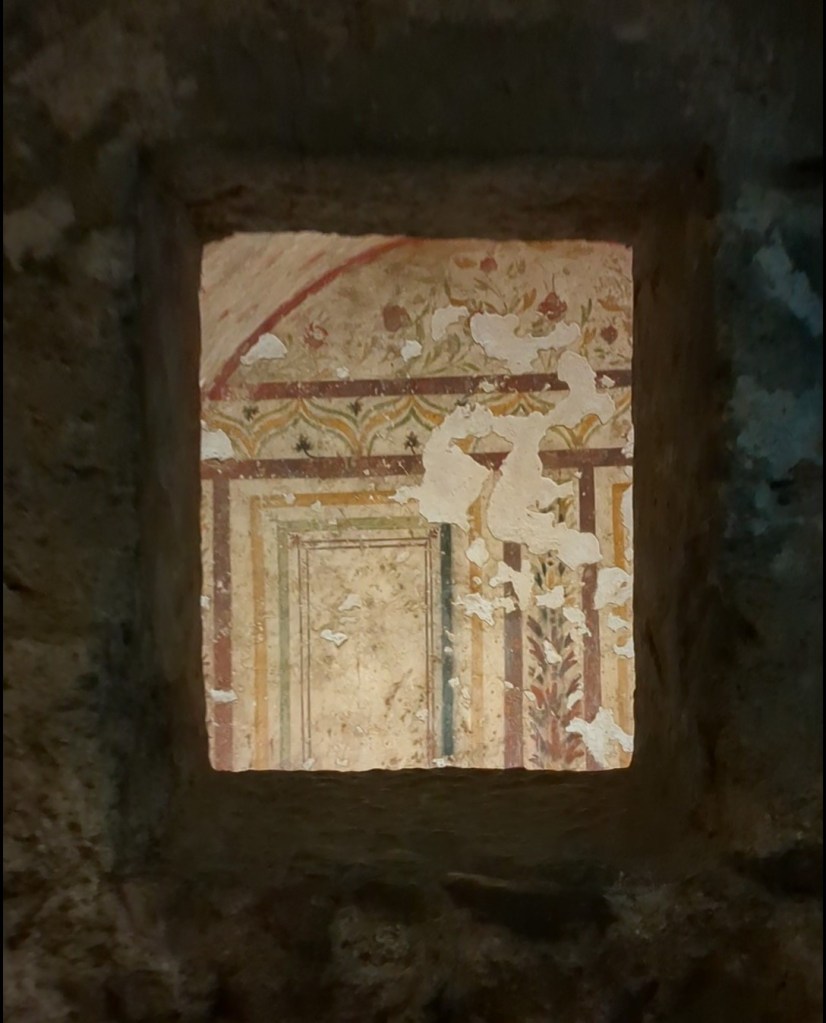
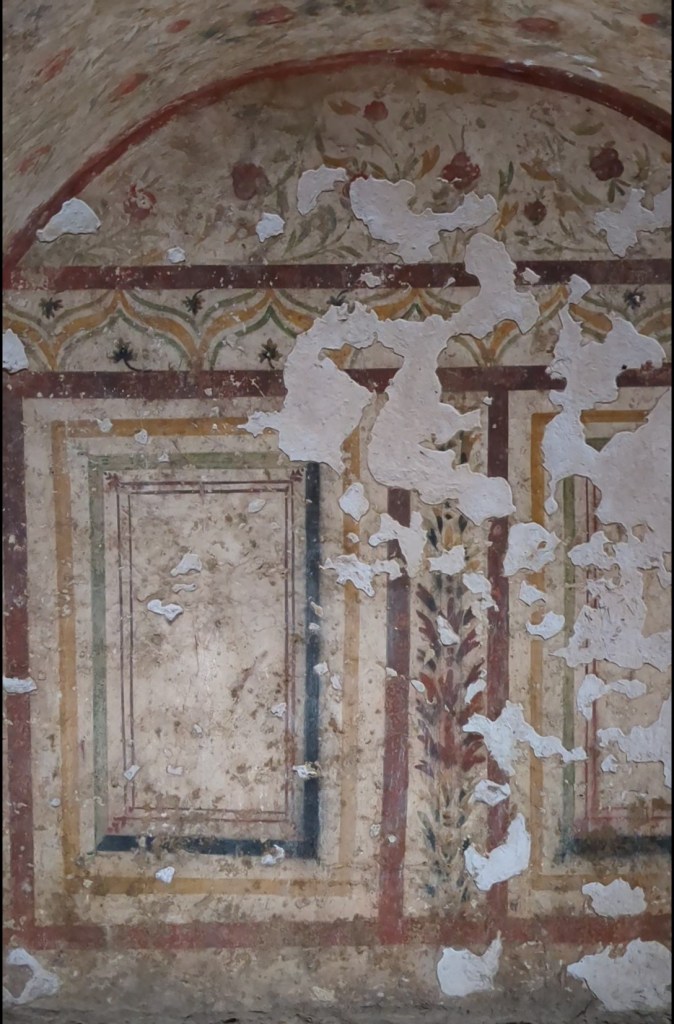
One particularly striking feature of the necropolis is the painted tomb of Honorius, a burial chamber adorned with frescoes that provide valuable insights into early Christian funerary practices. The detailed paintings within this tomb depict biblical themes and symbols of salvation, reflecting the beliefs and hopes of the people who lived in Sofia during the late Roman and early Byzantine periods. Standing in front of this tomb, you get a sneak peek at the delicate but still vibrant frescoes as you peer in from a window cut into the tomb’s side.
The Silver Reliquaries: A Sacred Discovery
Another remarkable find beneath Saint Sofia Church is the collection of silver reliquaries, which once held the sacred remains of saints and religious figures. These reliquaries, finely crafted and intricately decorated, highlight the importance of this site as a religious center in early Christianity. Their discovery adds yet another layer of significance to the necropolis, illuminating the devotion and traditions of the Christian communities that thrived here. The presence of these relics underscores the spiritual weight that this site carried throughout centuries of change and upheaval.
A Must-Visit for History Enthusiasts
Saint Sofia Church offers more than just a glimpse into Bulgaria’s past—it provides an immersive journey through centuries of faith, transformation, and resilience. Whether you’re an archaeology enthusiast, a lover of early Christian art, or simply someone who appreciates the weight of history beneath your feet, this site is a must-visit in Sofia.
If you ever find yourself in Bulgaria’s capital, take a moment to step inside Saint Sofia Church. Walk through its ancient halls, descend into its underground secrets, and witness the layers of history that have shaped this city for over a millennium.

If you enjoyed reading this post, please consider buying me a coffee so I can keep travelling and bringing you fascinating content from life on the road…

 The Travelling Archaeologist