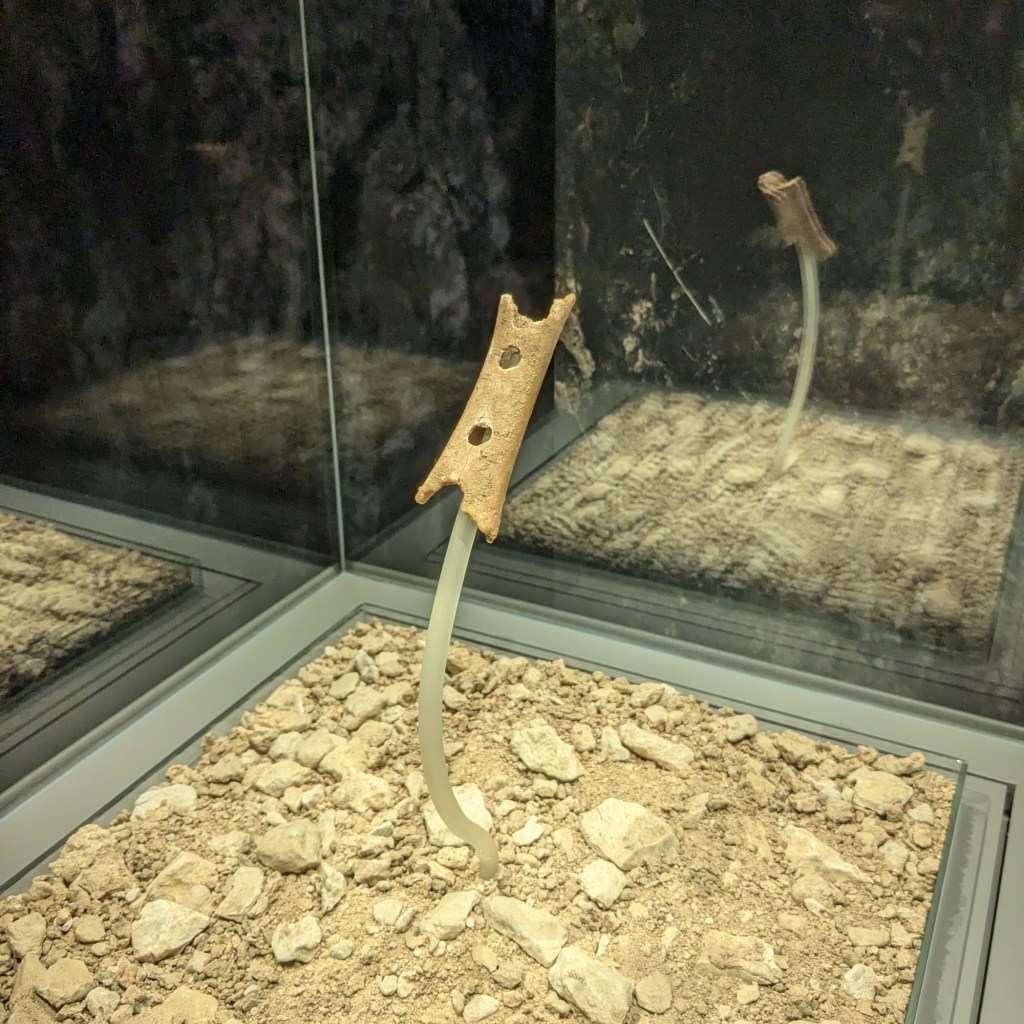
During my travels, I’ve been fortunate to see many incredible artefacts and archaeological wonders, but one that stands out is the Divje Babe flute, also known as the Neanderthal flute. This extraordinary object, argued by some to be the oldest musical instrument in the world, is housed in the National Museum of Slovenia in Ljubljana. My visit to see it was both fascinating and challenging, offering a glimpse into the possible creativity and ingenuity of our distant ancestors.
Discovering the Flute
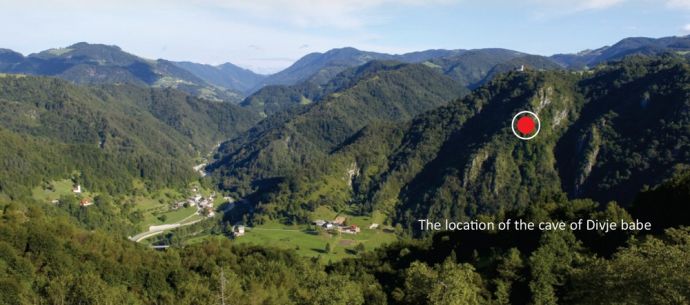
The Divje Babe flute was discovered in 1995 during excavations at the Divje Babe archaeological site in western Slovenia. The site itself is a Palaeolithic cave located high above the Idrijca River, and it has yielded a wealth of archaeological finds, including stone tools and animal bones. However, the most remarkable find was a small, hollowed-out fragment of a cave bear’s femur. This seemingly unassuming piece of bone had several evenly spaced holes that immediately captured the attention of archaeologists.
The flute was uncovered in a layer of sediment dated to approximately 60,000 years ago, a time when Neanderthals inhabited the region. Its discovery was led by Ivan Turk, a Slovenian archaeologist, who recognised its potential significance. Since then, the Divje Babe flute has sparked intense debate among researchers, with some arguing that it represents the earliest evidence of musical expression, while others question whether the holes were created by human hands or by natural processes like gnawing from carnivores.
The Debate: Flute or Natural Formation?
While the Divje Babe flute is celebrated by many as a potential musical instrument, it is not without controversy. A significant number of archaeologists dispute the interpretation of the bone as a flute. Critics argue that the holes in the bone could have been created by natural processes, such as carnivore teeth marks or damage caused by environmental factors, rather than deliberate human crafting. They point out that the spacing and alignment of the holes, while intriguing, might not necessarily indicate a deliberate attempt to create a musical instrument.
Furthermore, sceptics highlight the lack of direct evidence linking the flute to Neanderthals—there are no definitive marks from tools or other indicators of human modification on the bone. Without clearer evidence, some researchers caution against jumping to conclusions about its use or significance. This debate underscores the challenges of interpreting ancient artefacts, where the line between cultural artefact and natural object can be incredibly fine.
Seeing the Flute in the National Museum
Visiting the National Museum of Slovenia to see the Divje Babe flute felt like a pilgrimage of sorts. The museum, located in the heart of Ljubljana, offers a well-curated display that highlights Slovenia’s rich history and cultural heritage. The flute is showcased in a dedicated section, surrounded by interpretive panels and multimedia displays that explain its discovery, significance, and the ongoing debates surrounding it.
Standing before the flute, I was struck by its simplicity and yet the profound implications it holds. It’s just a small fragment of bone, but it carries within it the possibility that Neanderthals, often dismissed as brutish and unsophisticated, might have been capable of creating music. The evenly spaced holes suggest an understanding of tone and pitch, hinting at a creative, cultural life that we often associate exclusively with modern humans.
The Significance of the Flute
If the Divje Babe flute is indeed a musical instrument, it challenges long-held assumptions about the cognitive and cultural abilities of Neanderthals. It suggests that they not only had the technical skills to craft such an object but also the imagination to conceive of and engage in musical expression. Music, after all, is more than just sound; it’s a means of communication, connection, and emotion.
Even for those who remain sceptical about its origins, the flute is a powerful symbol of human curiosity and our desire to understand the past. The debates it has sparked are a testament to the dynamic and ever-evolving nature of archaeology. Whether it was crafted intentionally or shaped by chance, the Divje Babe flute reminds us that the line between nature and culture is often blurrier than we’d like to think.
Reflections on My Visit
Seeing the Divje Babe flute in person was an intriguing experience. It’s not often that you come face-to-face with an object that might represent the earliest echoes of music in human history. It made me think about the universality of music and how it transcends time and space. If Neanderthals truly made and played this flute, then music has been a part of our shared human story for tens of thousands of years.
For anyone visiting Ljubljana or interested in archaeology, I highly recommend a trip to the National Museum of Slovenia. The Divje Babe flute is more than just a scholarly debate; it’s an open question about a world that existed long before recorded history, challenging us to consider the creativity and humanity of those who came before us.
What do you think?
Before you make your mind up, you can read more about the argument for the bone being the oldest instrument in the world here, by Matija Turk in 2020. Also, consider a strong counter argument here, by Cajus Diedrich in 2015. Then, let me know! Vote here:

 The Travelling Archaeologist